Why High-Design Is More Than Aesthetic, It Is a Business Investment
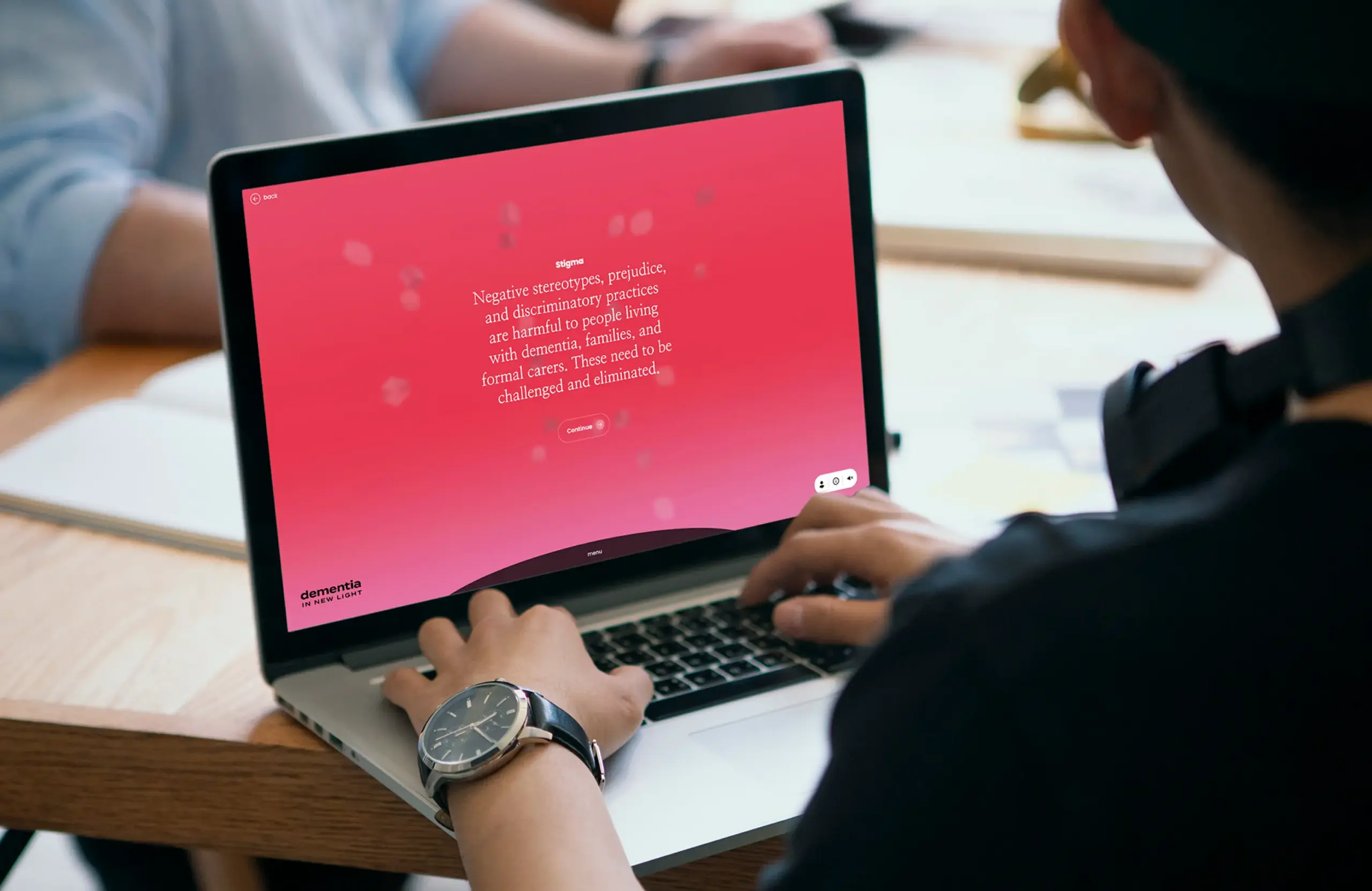
In today’s competitive marketplace, first impressions matter more than ever. Whether you’re operating a luxury hotel, managing a municipality, running a healthcare practice or leading an architectural firm, the way your organization presents itself has a direct impact on how it is perceived. High-design is not simply about creating something visually appealing, it is a strategic investment that can significantly influence your brand value and return on investment.
Many organizations mistakenly view design as a finishing touch or cosmetic enhancement. In reality, high-design goes far beyond aesthetics. While a well-designed website, building, publication or digital experience should certainly be functional and user-friendly, true high-design elevates a business into a category associated with quality, credibility and excellence.
Premium brands understand this principle well. They recognize that customers and clients often make judgments long before they engage with a product or service. Design communicates professionalism, attention to detail, and confidence. It tells people what they can expect from an organization before a single conversation takes place.
High-design positions your business in an echelon occupied by industry leaders. It demonstrates that you value quality and are willing to invest in presenting your organization at its best. This perception creates trust, and trust drives decision-making. Whether a potential client is choosing between competing healthcare providers, selecting a hotel, evaluating an architectural firm or considering where to invest public support, perception plays a critical role.
The business benefits of high-design extend far beyond appearance. A thoughtfully designed brand and customer experience can increase engagement, improve conversion rates, strengthen customer loyalty and ultimately generate greater revenue. In this way, design becomes a measurable contributor to ROI rather than an expense.
People often say they buy products or services, but in reality, they buy something much deeper: a perception. Customers choose brands that align with their values, aspirations and expectations. They purchase confidence, trust, prestige, reliability, innovation or comfort. High-design helps establish these perceptions and reinforces them consistently across every touchpoint.
When an organization invests in high-design, it creates a cohesive visual and experiential identity that becomes memorable. It distinguishes itself from competitors who may offer similar products or services but fail to communicate the same level of quality and professionalism. Over time, this differentiation strengthens brand recognition and increases market value.
Ultimately, high-design is about putting your best foot forward. It ensures that every interaction with your audience reflects the caliber of your organization. While functionality remains essential, exceptional design transforms functionality into an experience that resonates with people and leaves a lasting impression.
In a world where perception often influences decisions before facts are considered, high-design is not a luxury, it is a powerful business tool. Organizations that embrace it are not simply investing in how they look, but rather they are investing in how they are perceived, remembered and chosen.